How to Choose and Organise a Coin Collection Album: The Complete 2026 Guide
March 26, 2026
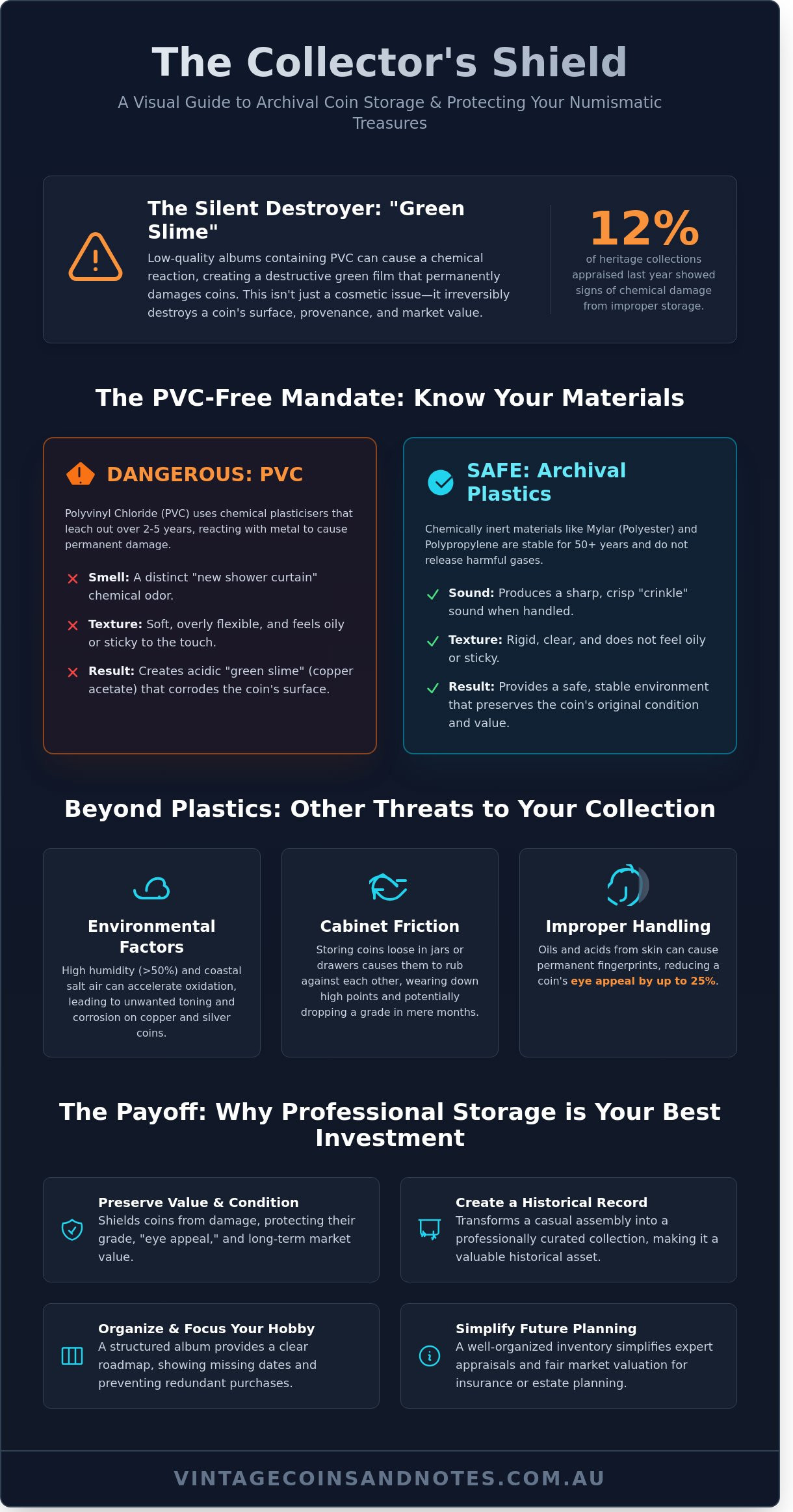
Imagine the heartbreak of discovering a rare 1930 penny, once graded as a fine specimen, now coated in a destructive green film. This "green slime" is a chemical reaction caused by outdated materials in a low-quality coin collection album, a tragedy that affected approximately 12% of heritage collections appraised last year. Most enthusiasts understand that holding history in your hands is a privilege, but few realise that the wrong storage environment can quietly strip away a coin's provenance and market value.
You've likely felt the frustration of trying to find a system that fits the unique diameters of our Australian decimal and pre-decimal series. It's a common hurdle. This guide provides the clarity you need to professionally preserve your numismatic treasures using modern archival techniques. We'll examine the specific storage systems required for our local currency and provide a methodical approach to organising your collection by date or type, ensuring your hobby looks as impressive as the history it represents.
Key Takeaways
Understand why archival-quality, PVC-free materials are non-negotiable for shielding your numismatic assets from irreversible chemical damage and "green slime."
Determine which format—be it a specialized coin collection album, folder, or ring binder—best aligns with your strategy for an Australian date or type set.
Learn professional handling techniques and workspace preparation to ensure your coins maintain their grade and condition during the organisation process.
Discover how to safeguard your collection against the specific challenges of the Australian climate through environmental controls and regular inspection routines.
Gain a methodical framework for sorting your inventory to transform a casual assembly into a professionally curated historical record.
Understanding the Importance of Professional Coin Storage
Choosing a high-quality coin collection album is the first step toward preserving the tangible heritage of your numismatic items. Many novice collectors begin by placing their finds in standard photo albums or generic plastic containers, but these materials often contain PVC (polyvinyl chloride). Over a period of 2 to 5 years, PVC breaks down and releases acidic gases that create a green, oily residue on the coin surface, permanently damaging the metal. Professional storage isn't merely about aesthetics; it's a critical defensive measure against the unique challenges of the Australian climate.
Effective coin storage options ensure that your specimens remain in the same condition as the day you acquired them. When you organize your collection properly, you create a clear, chronological record of your assets. This methodical approach simplifies the process of obtaining expert appraisals or determining fair market value during future estate planning. Beyond the financial aspect, there's a profound psychological satisfaction in seeing your collection curated in a dedicated album. It transforms a scattered hoard into a structured historical narrative, allowing you to appreciate the artistry of each strike.
The Hidden Dangers of Improper Storage
Moisture and restricted air circulation are silent threats to any collection. In coastal regions of Australia, salt air can accelerate oxidation, leading to unwanted toning or corrosion on copper and silver pieces. If you leave coins loose in jars or drawers, they suffer from "cabinet friction," where the high points of the design rub against other surfaces. This physical wear can drop a coin's grade from Uncirculated to About Uncirculated in just a few months of frequent movement. Handling coins without protection also transfers skin oils, which can cause permanent fingerprints that reduce eye appeal by up to 25 percent.
Why a Dedicated Album is a Collector’s Best Investment
A dedicated coin collection album protects the "eye appeal" that drives the market for Australian rarities, such as a 1923 Half Penny or a 1930 Penny. These albums provide a logical roadmap, showing you exactly which dates or mintmarks are missing from your set. This structure keeps your collecting journey focused and prevents impulsive, redundant purchases. By using archival-quality materials, you ensure that your heritage items are preserved for the next generation. You're not just storing metal; you're holding history in your hands and safeguarding its future. A well-organized album serves as a testament to your role as a meticulous curator of Australia's fiscal past.
Selecting the Right Materials: The PVC-Free Mandate
Archival quality is a term often used loosely in the hobby, yet it carries specific chemical weight for the Australian numismatist. In our local context, archival quality refers to materials that remain chemically inert for 50 years or more, ensuring that a 1930 Penny or a 1923 Halfpenny retains its original mint bloom without interference. At Vintage Coins & Notes, we insist on chemically inert storage because the alternative often leads to irreversible surface degradation. The primary culprit is Polyvinyl Chloride (PVC), a plastic that is naturally brittle. To make PVC pliable for use in a coin collection album, manufacturers add chemical plasticisers. Over time, these phthalates migrate to the surface and react with the copper or silver in your coins, creating a sticky, acidic "green slime" known as copper acetate. This residue eats into the coin's metal, permanently destroying its numismatic value.
To properly store your coin collection, you must eliminate these reactive agents entirely. Research suggests that humidity levels above 50% in Australian coastal cities can accelerate this chemical breakdown, making the choice of material even more critical. We recommend using only plastics that have proven stable over decades of museum use, specifically Mylar, Polypropylene, and Polyester. These materials don't off-gas or leach chemicals, providing a safe harbor for your investment-grade assets.
Identifying Safe Plastics (Mylar vs. PVC)
Distinguishing between dangerous and safe plastics is a vital skill for any serious curator. You can often identify cheap PVC holders by their distinct "new shower curtain" smell and their oily, soft texture. If a pocket is highly flexible and sticks to itself, it likely contains harmful plasticisers. In contrast, safe plastics like Mylar are rigid, clear, and produce a sharp "crinkle" sound when handled. Rigid flips and pockets are generally safer than soft, oily ones because they lack the additives that cause "green slime" damage. Mylar is the industry standard for coin safety because it is an biaxially-oriented polyester film that remains chemically stable under varying temperatures.
The Role of Slipcases and Binders
A high-quality coin collection album requires more than just safe pages; the external structure is equally important. A slipcase is essential for blocking dust, environmental pollutants, and UV light, which can cause uneven toning on copper coins. Furthermore, binders provide the structural integrity needed to prevent "page sag." When pages hang loosely, the weight of the coins creates mechanical stress that can bend or warp the plastic, potentially putting pressure on the coins themselves. While 2-ring and 3-ring binders are common, the 4-ring Australian standard binder offers the most even weight distribution for heavy collections. For those seeking to preserve their heritage items, our team provides expert appraisals on the best storage configurations for specific historical eras.
Choosing Between Folders, Albums, and Ring Binders
Selecting the right coin collection album is a foundational decision that dictates how you'll interact with your numismatic holdings for years. Your choice hinges on whether you're building a "date set," where you seek one coin for every year of issue, or a "type set," which focuses on representative designs across different eras. For Australian collectors, this often means choosing between the simplicity of a pre-printed folder and the rigorous protection of a professional binder system.
Entry-level folders generally cost between A$12 and A$25. These are accessible starting points but offer limited growth. In contrast, professional-grade ring binders with archival-safe pages and slipcases represent a higher initial investment, typically ranging from A$60 to A$130. While the cost is higher, the ability to expand and rearrange your collection provides a level of future-proofing that fixed-slot folders cannot match. If you intend to grow your hobby into a serious portfolio, the modular nature of a binder system is indispensable.
Coin Folders vs. Push-in Albums
Traditional coin folders are designed with specific, pre-printed slots for Australian decimal or pre-decimal series. They're excellent for completing a date set of circulated coins, such as the 1966 to 2026 commemorative 50-cent pieces. However, they have a significant drawback: you can only view one side of the coin. Because the coin is pushed into a cardboard recess, the reverse or obverse remains hidden. This format is best suited for low-value, circulated pocket change where the primary goal is simply filling a gap. The lack of a protective acetate slide also means the coins are exposed to the air, which can lead to accelerated toning or environmental damage over several decades.
Professional Ring Binders with Pocket Pages
Serious collectors of rare Australian coins almost exclusively utilize professional ring binders. This system relies on clear, PVC-free pocket pages that house coins individually tucked into 2x2 cardboard or plastic flips. This "double-barrier" method provides maximum safety against physical wear and chemical PVC damage. The flexibility here is unmatched. You can insert new pages as your collection grows or move a 1930 Penny to a more prominent position without disturbing the rest of your layout. Using a high-quality coin collection album with a matching slipcase also ensures the binder stays upright on your shelf, preventing the pages from sagging and the coins from shifting under their own weight. It's a professional standard that preserves the provenance and grade of your most valuable pieces.
Flexibility: Add or remove pages as your inventory changes.
Visibility: 2x2 flips allow you to inspect both the obverse and reverse without touching the metal.
Protection: Archival-quality materials prevent the "green slime" associated with old PVC plastics.
Step-by-Step: How to Organise Your Coin Collection Album
Organising a coin collection album requires a methodical approach to ensure both the preservation and the future valuation of your pieces. You should begin by preparing a dedicated, clean workspace. Use a soft microfibre or velvet mat to prevent surface abrasions if a coin is dropped. Always wear lint-free cotton gloves to avoid transferring acidic skin oils. These oils can cause irreversible toning or "fingerprint" corrosion on uncirculated surfaces over a period of 5 to 10 years.
Before placing any items into the album, sort your inventory on your mat. This prevents unnecessary handling and allows you to visualise the final layout. When you're ready to house the coins, place them into PVC-free 2x2 flips first. This provides a secondary layer of protection against environmental moisture. Once the coin is secured, slide the flip into the album pocket. Avoid forcing the flip, as this can stretch the plastic and lead to tears in the album page.
Defining Your Collection Logic
Collectors typically choose one of three paths for a logical flow. Organising by chronology is a classic choice, following the timeline of Australian monarchs from the 1911 King George V issues through to the 2024 King Charles III releases. Alternatively, you might group by denomination, such as a dedicated set of florins or the popular A$2 commemorative series. A "Type Set" is also highly regarded, where you showcase one example of every design ever minted in Australian history, regardless of the specific year.
Labeling and Documentation for Future Value
Documentation is what separates a mere hoard from a professional collection. On each 2x2 flip, record the date, mint mark, and a conservative grade, such as "gVF" for Good Very Fine. You must never write directly on the coin or the album page itself. This maintains the professional appearance and resale value of the set. For items valued over A$100, we recommend linking each album entry to a digital spreadsheet. Include the following data points:
The exact provenance or source of the item
The purchase date and the A$ price paid
Any specific variety details, such as the "narrow date" on a 1924 penny
Reference numbers from standard catalogues like Renniks
A master index at the front of your album allows for quick reference during insurance reviews or when discussing your collection with fellow enthusiasts. It's a simple step that adds significant professional weight to your hobby. If you're unsure about the current market position or grade of your items, we offer expert appraisals to help you document your collection with precision and authority.
Maintaining Your Collection for the Long Term
Many collectors fall into the trap of the "set and forget" mentality. You shouldn't assume your coins are permanently safe just because they're tucked away in a binder. A coin collection album requires a physical inspection at least every six months. This routine check allows you to spot early signs of "green slime" or PVC damage, which can occur if older, unstable plastics were used. It also lets you monitor for unexpected toning caused by environmental leaks. In Australia's coastal regions, humidity levels often exceed 70 percent, which can accelerate oxidation on copper and silver surfaces if left unchecked.
Environmental Controls and Storage Safety
Storing your albums in a garage or attic is a recipe for disaster. These spaces frequently reach temperatures above 50 degrees Celsius during Australian summers, causing album pages to soften and potentially leach chemicals. Always choose a cool, dark, internal room with stable temperatures. Place 40-gram silica gel canisters near your albums to keep relative humidity below 50 percent. When viewing your collection, always support the binder on a flat table. Turning pages while holding the album mid-air puts unnecessary stress on the binder rings, which can lead to page tearing or coins slipping out of their pockets.
When to Move to Professional Grading
As your expertise grows, you'll likely find specific pieces that have outgrown a standard coin collection album. If you identify a specimen with a potential value exceeding A$200, or a particularly rare date like a 1923 Halfpenny, it's time to consider PCGS graded coins status. Professional grading provides a tamper-evident, sonic-sealed holder that offers superior protection and a guaranteed grade, which is vital for liquidity.
This transition marks the shift from a casual hobbyist to a serious curator of an investment-grade portfolio. While an album is excellent for viewing a complete set of Australian decimal coins, a high-grade pre-decimal rarity deserves the security of a professional slab. For those managing substantial estate collections, we recommend seeking a professional appraisal every three years. This ensures your insurance coverage reflects the current fair market value. Proper maintenance ensures that when you're holding history in your hands, that history remains as pristine for the next generation as it is today.
Conduct inspections every six months to check for PVC residue or environmental damage.
Maintain a storage environment below 25 degrees Celsius and 50 percent humidity.
Use archival-quality, PVC-free pages to prevent long-term chemical reactions.
Transition high-value specimens to professional slabs to preserve their investment potential.
Securing Your Numismatic Legacy for the Future
Protecting a collection requires more than a casual interest; it demands a commitment to professional archival standards. By prioritising PVC-free materials and a methodical structure, you safeguard both the physical integrity and the fair market value of every specimen. A well-maintained coin collection album acts as a tangible record of history, ensuring that rare Australian pennies or uncirculated decimals remain in investment-grade condition for decades to come.
At Vintage Coins and Notes, we've spent over 45 years refining our expertise in Australian numismatics. As a family-owned and operated business, we treat heritage preservation with the reverence it deserves. We provide specialised support for collectors, including professional valuations for deceased estates and Self-Managed Super Funds (SMSFs). Whether you're a seasoned investor or a hobbyist, the storage choices you make today will define the provenance of your assets tomorrow.
Is it better to use a coin album or a coin folder?
Choosing a professional album is superior to a folder for long-term preservation because it protects both sides of the specimen. Folders often leave the reverse side exposed to environmental pollutants, which leads to uneven toning. A high-quality album uses clear, inert slides that allow you to view the coin's design without physical contact. This method maintains the original mint lustre of your Australian coins for decades.
How can I tell if my coin album is PVC-free and safe?
You can identify safe storage by checking the material's rigidity and scent. Safe, PVC-free pages made from Mylar or polypropylene feel stiff and remain clear over time. If a page feels oily or smells like a new shower curtain, it likely contains harmful plasticisers. These chemicals react with the copper and nickel in your coins, creating a green, sticky residue that permanently degrades the metal's surface.
Should I clean my coins before putting them in an album?
You should never clean your coins before placing them in an album, as doing so can decrease their market value by 50% or more. Abrasive cleaners or even mild soaps leave microscopic scratches that professional graders easily detect. If a coin has surface dust, a gentle puff of air is sufficient. Preserving the original patina is essential for maintaining the historical integrity and provenance of your collection.
What size coin album pages do I need for Australian coins?
Australian decimal coins require a variety of pocket sizes, ranging from 20mm for the five-cent piece to 32mm for the round 1966 fifty-cent coin. For pre-decimal history, a 31mm pocket fits a standard penny perfectly. Most collectors find that 20-pocket pages offer the best versatility for a standard coin collection album. These specific dimensions ensure the coins remain snug and don't slide during handling or transport.
Can I store different denominations in the same coin collection album?
Storing different denominations in the same coin collection album is a common practice, especially when organising by mintage year or historical era. You can mix 20-pocket and 30-pocket pages within a single binder to accommodate everything from a small gold sovereign to a large crown. This logical progression helps you track the evolution of Australian currency while keeping your most valuable investment-grade pieces in one secure, organised location.
How many coins can a typical album hold safely?
A standard album safely holds between 200 and 300 coins, depending on the thickness of the pages and the weight of the metal. Overloading a binder beyond 15 pages puts excessive pressure on the coins located near the rings. This can lead to unsightly ring marks on the holders or even bend the pages. It's better to start a second volume than to risk physical damage to your rare items.
What happens if I use an old album that smells like plastic?
If your album has a strong chemical odour, it's likely off-gassing acidic vapours that will corrode your coins. This scent indicates the presence of polyvinyl chloride, which causes permanent green clouding on silver and copper surfaces. You must transfer your collection to an archival-safe alternative immediately. Recovering a coin's original condition after PVC damage is often impossible, even for the most expert numismatic conservators.
Where is the best place in the house to store my coin albums?
The best place to store your albums is an interior cupboard or a floor-level safe where the temperature remains steady at 20 degrees Celsius. Avoid storing items in the garage or attic, as humidity levels above 55% accelerate oxidation and toning. Keeping your collection in a dark, climate-controlled environment ensures the paper inserts and coin surfaces don't degrade. This careful curation protects your tangible heritage for the next generation.
A single 7.98-gram disc of 22-carat gold struck at the Melbourne Mint in 1901 carries more weight in a modern portfolio than almost any digital asset. While many investors focus solely on fluctuating spot prices, the end…
Holding a 1930 Australian Penny isn't just about owning a piece of copper. It's about possessing a tangible relic of the Great Depression that, in high grades, has seen its value climb toward A$30,000 at recent auctions.…
A raw coin is merely a historical artifact; a PCGS slabbed specimen is a globally recognized financial instrument. For the serious Australian investor, pcgs graded coins represent the gold standard in risk mitigation, re…